Power and Size: The Real Deal
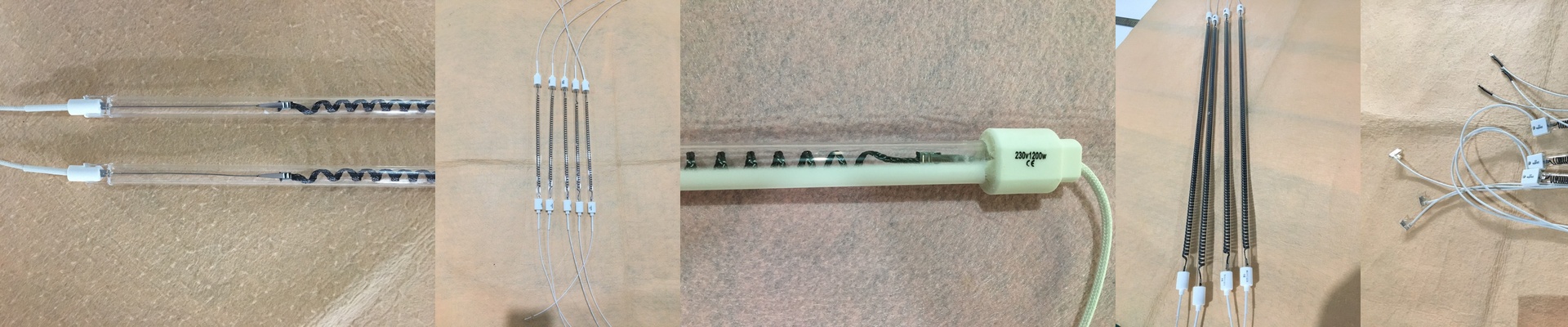
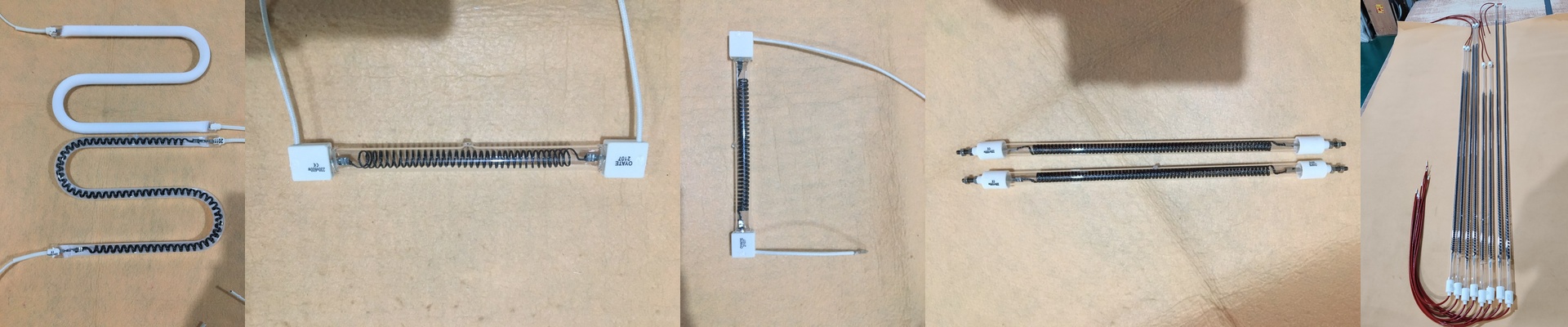
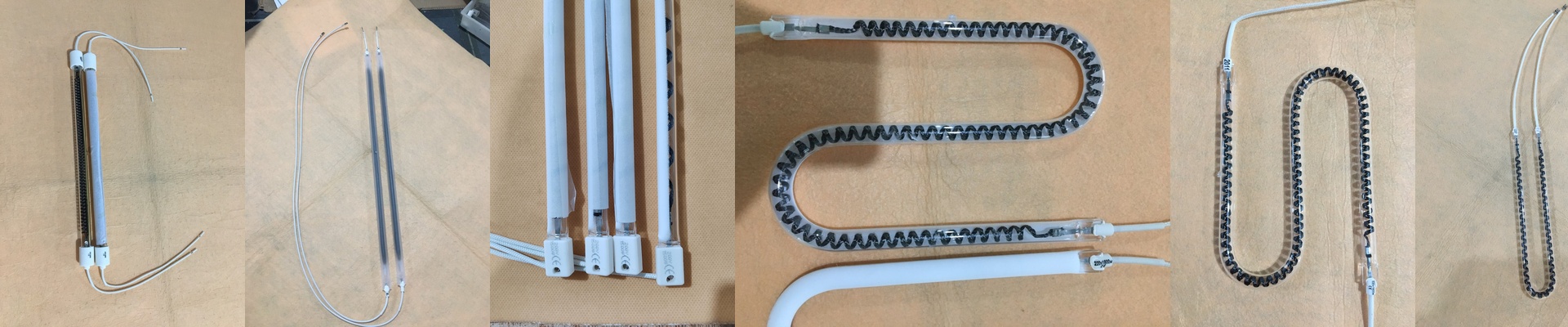
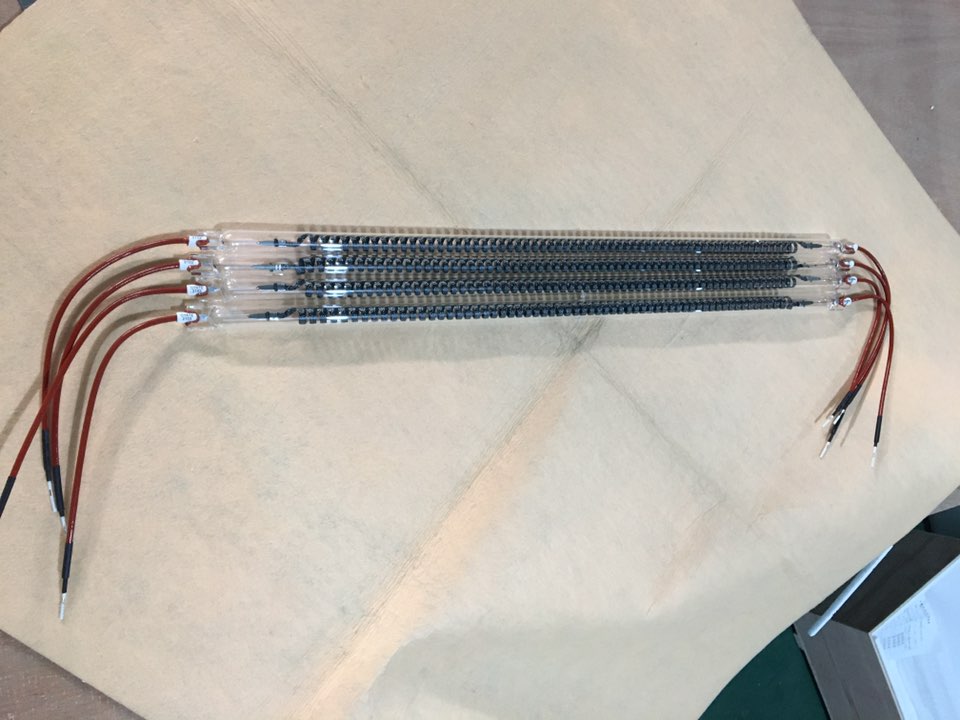
Let’s talk numbers, but the kind that actually matter to you. This carbon fiber IR halogen lamp runs at400V and 2500W, all packed into a300mmtube. That’s a lot of heat, in a seriously small footprint. Here’s the thing about the 400V rating: it keeps the current lower than a 230V version would. That means less voltage drop over long runs, and you can use thinner wire. Less hassle, less heat buildup in the wiring. And that 300mm tube? It concentrates all 2500W into a tight zone, so you getfast ramp-up—perfect when your process needs heat, and needs it now. Just be ready. This isn’t a casual heater. You’ll need control gear and cooling that can keep up with the demand.
What’s Inside: The Design That Works
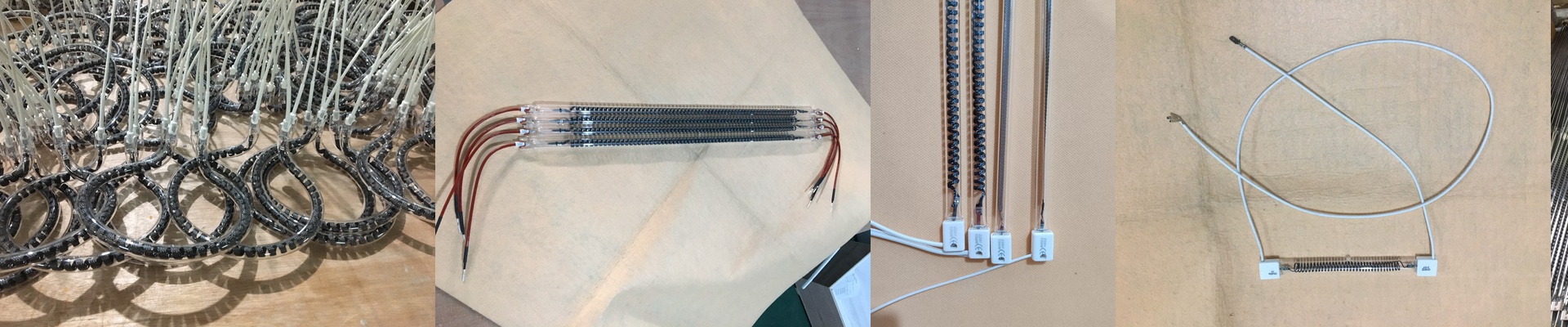
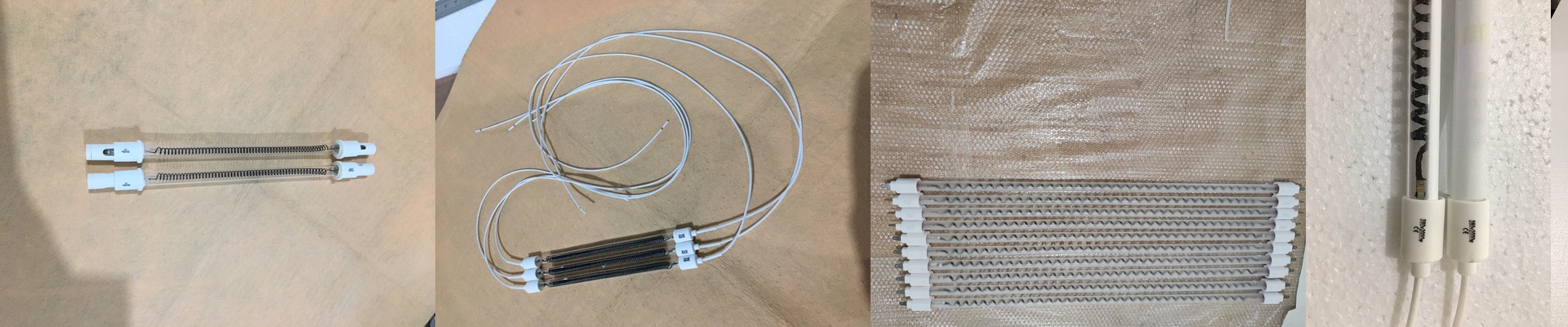
Inside, you’ve got a carbon filament living in a halogen cycle. That cycle keeps the quartz envelope clean and keeps the output steady over time. No surprises. Just consistent performance. The output is shortwave IR, which means it hits the surface fast—heating it up without wasting energy trying to warm up the whole material underneath. The quartz body is coated, too, so it shrugs off thermal shock and resists contamination. And the connector? It’s theR7s two-pin design. Simple. Straightforward. It’s a drop-in replacement. Just line up the pins and wire it in. No fuss, no drama.
Where It Shines: Fast, Focused Heat
This lamp is your go-to when you needfast, focused heatin tight spaces. Think plastic forming, coating curing, preheating composites. You get the speed of shortwave IR, the stability of the halogen cycle, and the muscle of the 400V/2500W setup. It’s built tough, too—ready to take the daily grind on the production line. Just remember: with this kind of power density, heat rejection is part of the deal. Plan for proper airflow. It’s not optional. It’s how the system stays reliable, day after day.