Electronics Plant Heating: Why Precision Actually Matters
In electronics manufacturing, heat isn’t just heat. It’s the difference between a perfect board and a pile of scrap. That’s why we built this infrared heating solution—to give you serious industrial power without the industrial price. It’s for the engineers who need heat they can trust, control, and rely on, whether you’re soldering, drying, or curing components.
Power and Voltage: The Inside Story
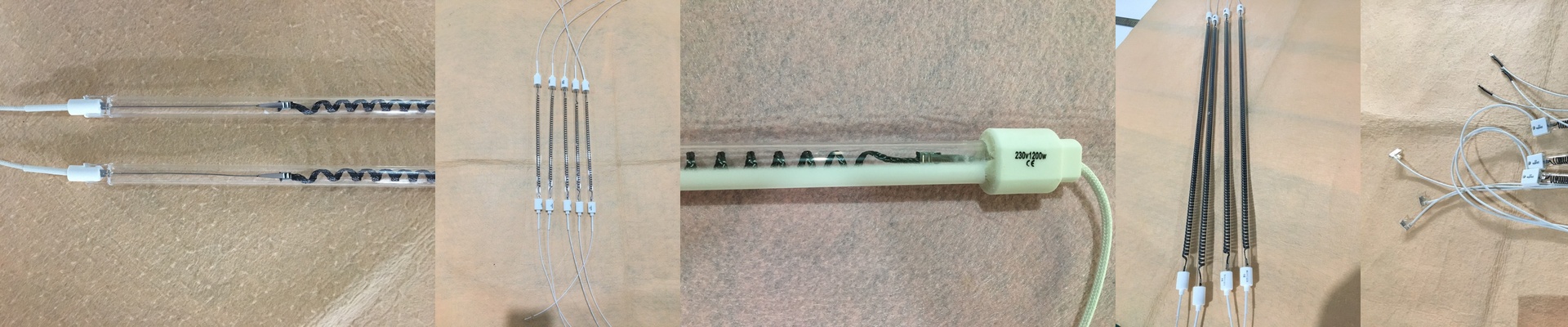
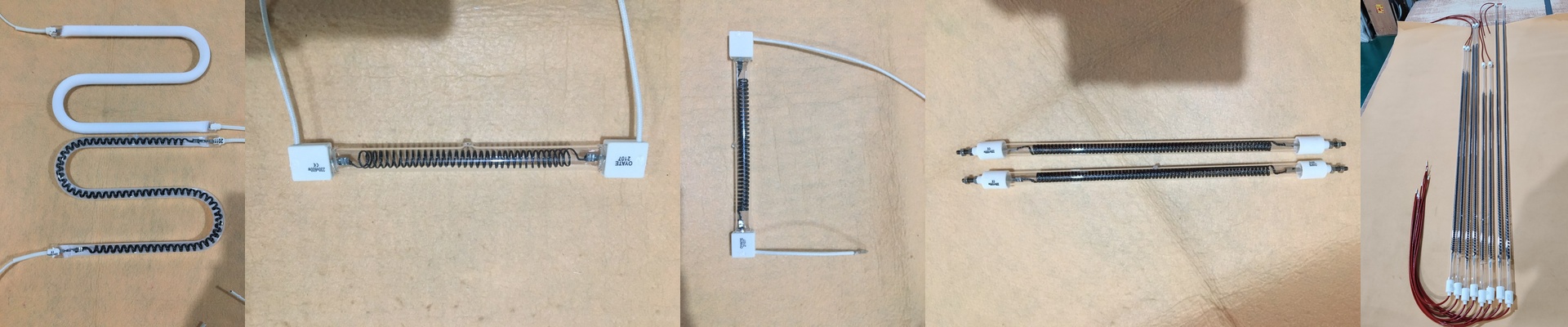
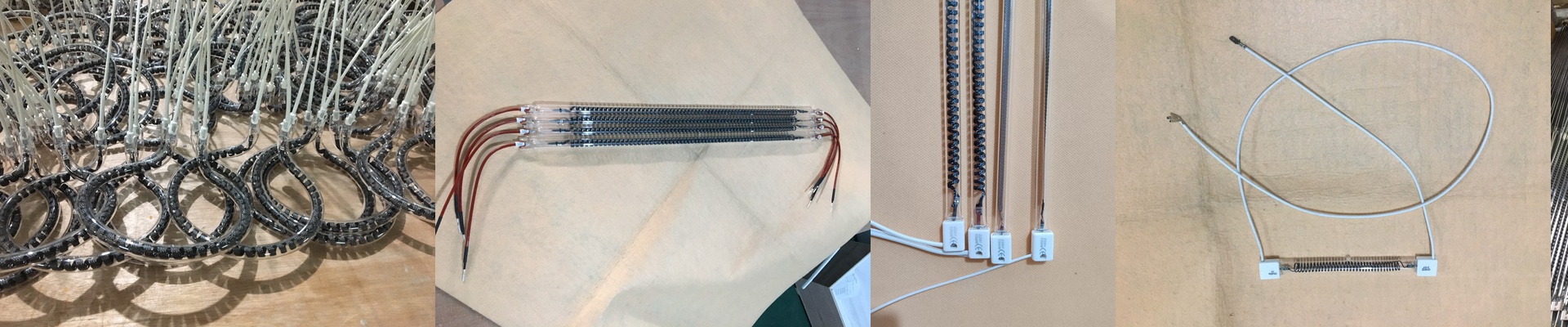
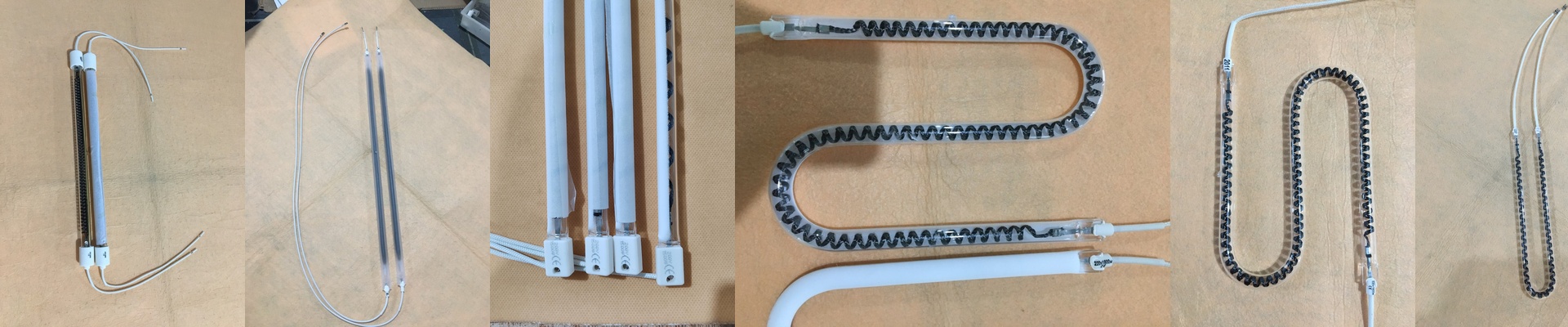
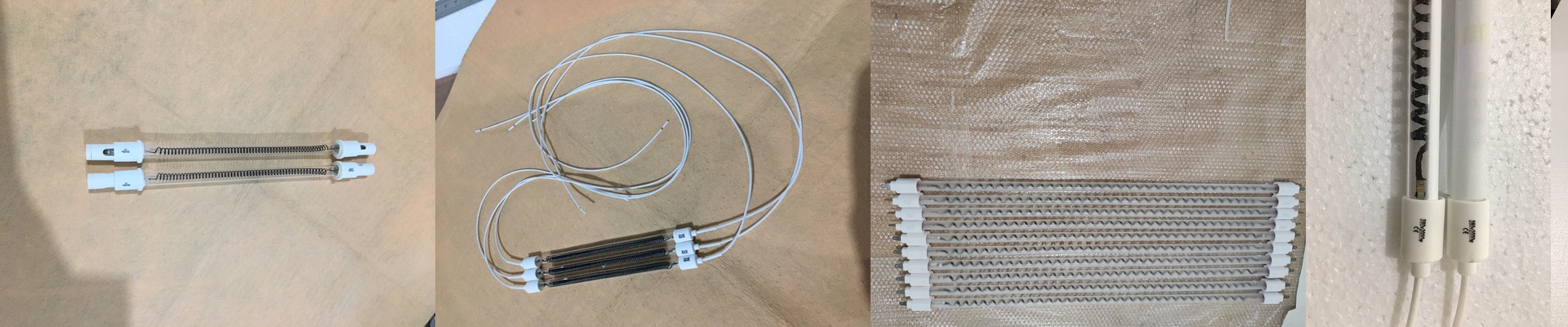
At the heart of this unit is a high-density heating tube, putting out 2500W at 400V. We went with this voltage because it drops the current draw on the plant floor. Less amperage means you can use smaller wiring and take the strain off your electrical setup. And it’s compact—just 300mm long. That concentrates the heat into a small footprint, so it slips right into your existing assembly line. You get the intense heat you need for fast thermal transfer, without needing a giant, clunky enclosure.
The Materials That Make It Tough
We use a quartz tube with a halogen element inside. The halogen cycle keeps the filament clean, which means steady output and a lamp that lasts way longer. The tube is also coated to focus the infrared energy right where you need it, so you’re not wasting heat all over the place. For installation, it’s all about the R7s connector. It’s a tough, bi-pin design that handles high temperatures and locks in a solid, low-resistance connection. Wire it up once, and you’re good to go.
Real-World Use: Built for the Factory Floor
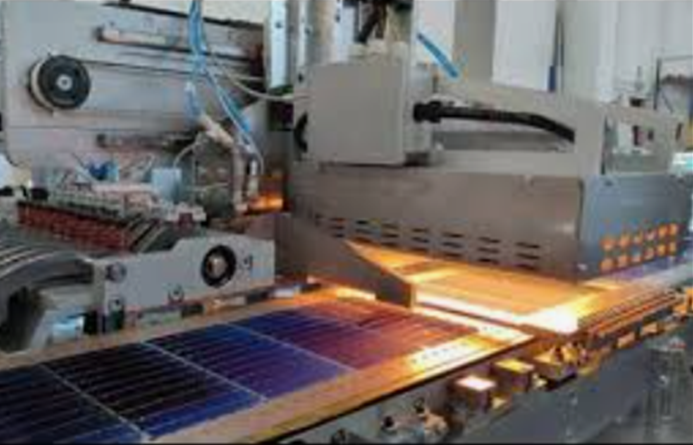
This setup is a direct replacement for high-output spot heating. It handles the rapid heating and cooling cycles that electronics assembly demands. The payoff? Faster cycle times and lower energy use per unit. Because we sell factory direct, we cut out the middleman and pass the savings straight to you. Just one thing to keep in mind: this thing is powerful. That high power density means your machine’s cooling system needs to be up to the task. This is a high-output tool, not a gentle space heater.